Rebuilding a winery takes time, vision, and a willingness to keep evolving
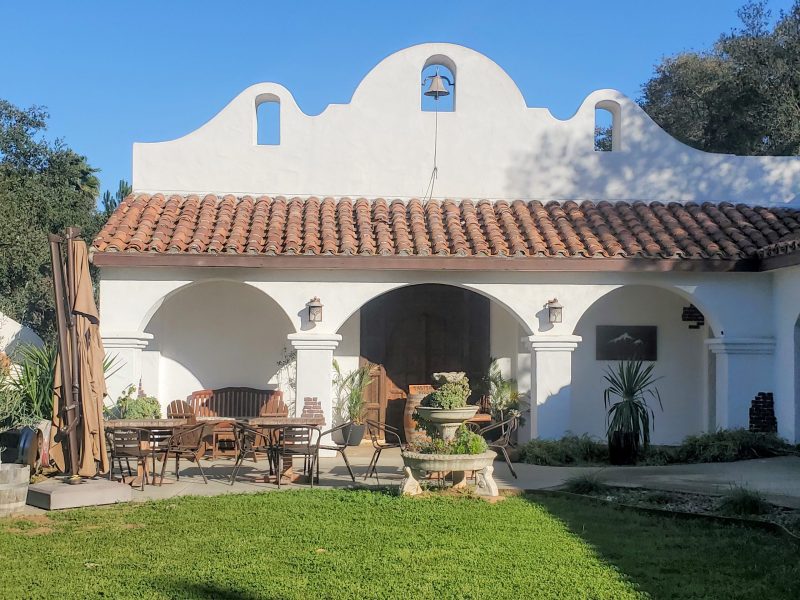
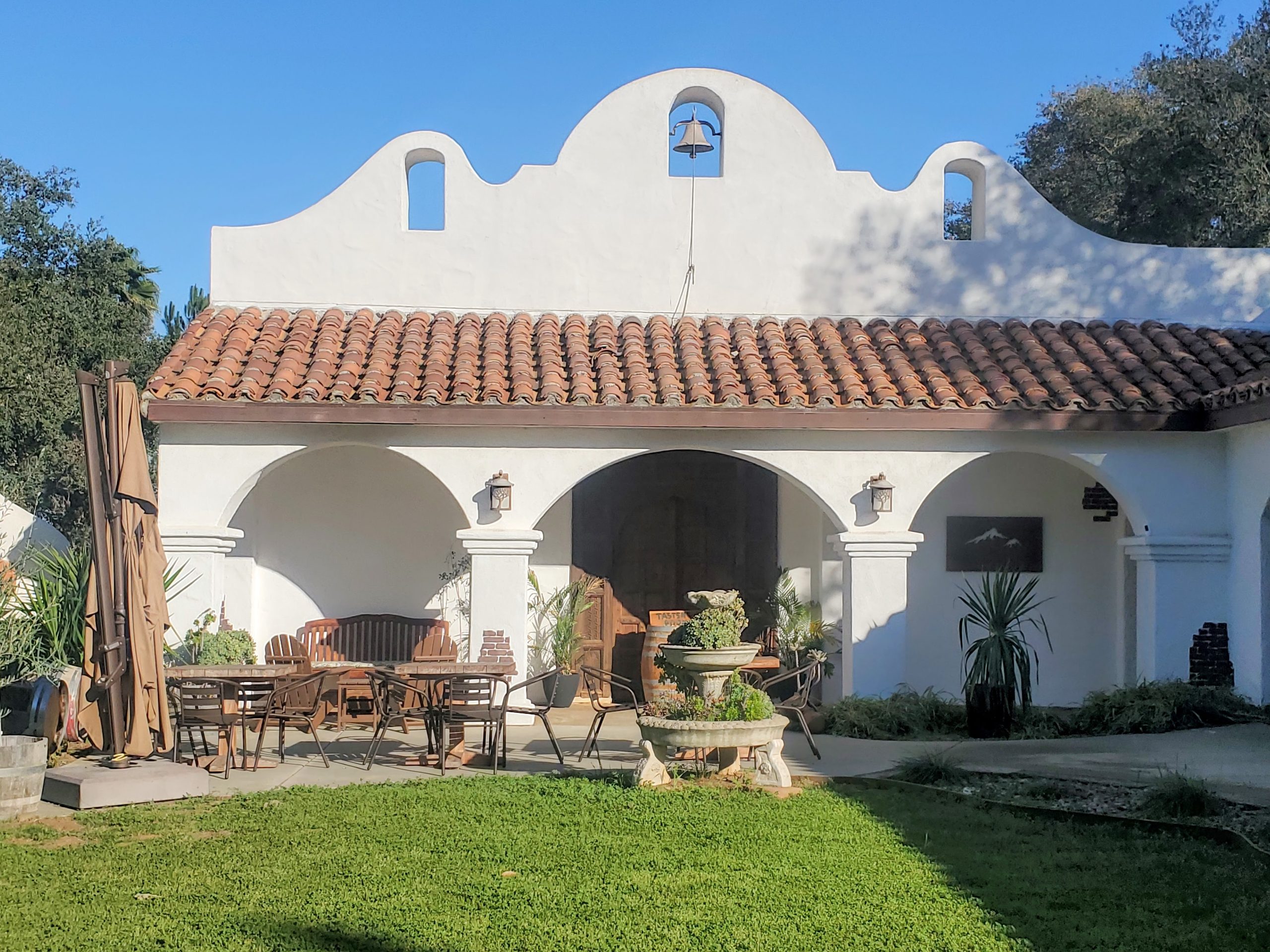
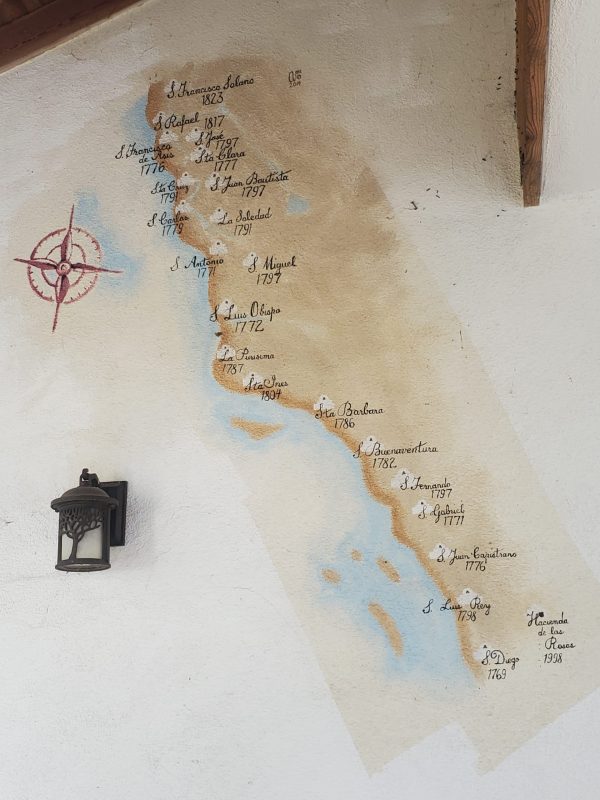
Alpenglow Winery, formerly Hacienda de las Rosas, has been experiencing a resurgence since it was sold 8 years ago. The previous owner/winemaker passed away, and sadly, the surviving spouse wasn’t able to continue the winery. Chris and Marie Lakey took a leap of faith, purchased the winery and attempted to make wine in 2019. They had already been enjoying wines from the Central Coast of California before realizing that we have an incredible wine region in our own backyard of Ramona, CA.
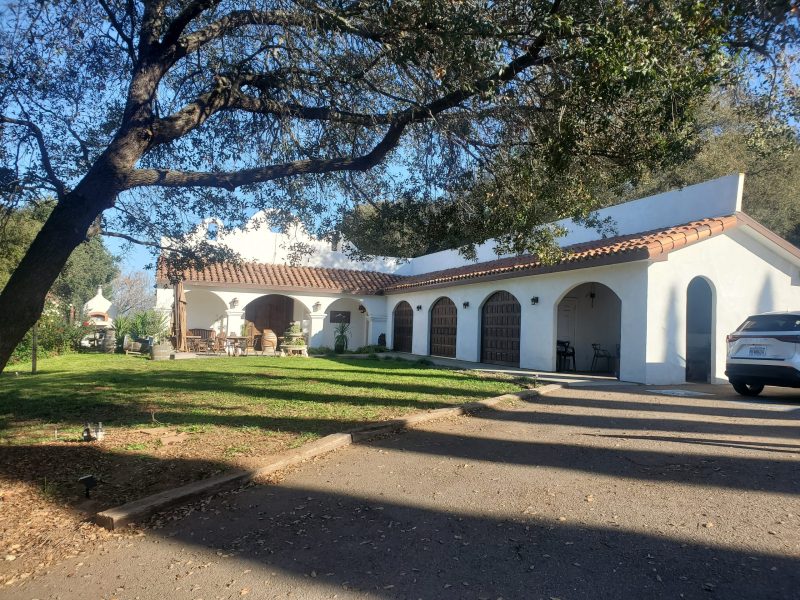
Restoration and Evolution
Long-term dedication and patience – Winemaking is described as a gradual process that takes years to develop, from planting vines to aging wine.
“When we took over the vineyard, we were still trying to wrap our heads around what we had signed up for. That first spring, we had to make some tough calls about which vines were truly gone and which were simply dormant, and then begin the long process of bringing everything back to health. Some blocks were in better shape than others, but with patience, water, and a lot of TLC, the vineyard has been steadily returning to its former glory. We’ve kept the original varietals planted here, honoring the property’s history, and we’ve also begun introducing a few of our own to add our personal touch. It’s been a blend of restoration and evolution—respecting what was here while shaping what it can become,” Marie said.
They both began, as many local winemakers have, with a book by the legendary local winemaker and instructor Lum Eisenman. https://www.scribd.com/document/900948065/The-Home-Winemakers-Manual-Trang-1-1
Along with studying this book, they also asked their amazing winemaking neighbors for assistance. Chris also enrolled in the UC Davis winemaking program and graduated in 2021. Marie was fortunate to sit in on many of the lectures and absorb as much as she could along the way.
Passion and craftsmanship
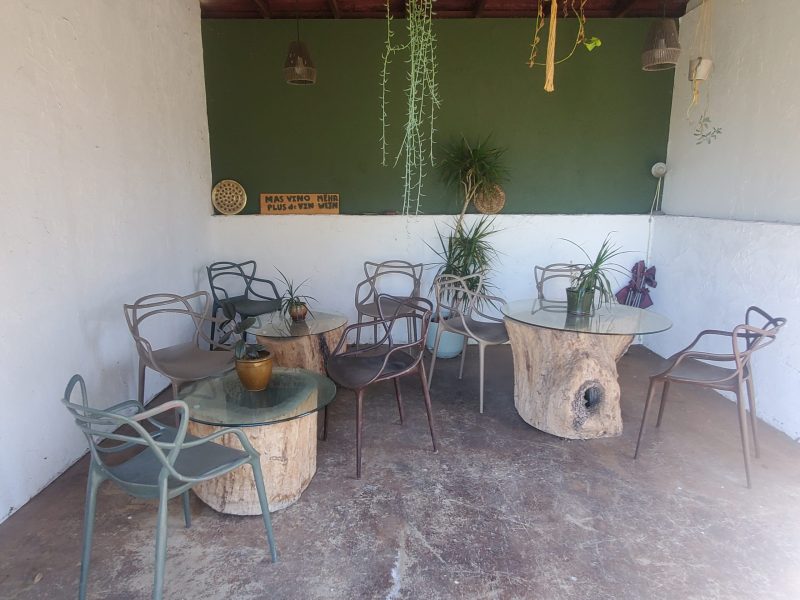
There’s a clear commitment to refining both the art (winemaking) and the environment (tasting room, design, efficiency).
Today, Chris manages everything in the vineyard, while the responsibilities in the winery are shared. Marie’s engineering background gives her a natural strength on the technical and chemistry side, while Chris’s palate helps him anticipate, shape, and refine the direction of each wine. Together, those strengths balance each other and influence the style of every vintage they produce.
Marie is by trade an Electrical Engineer. Females in Engineering, like female Winemakers, are unique in a male-dominated environment. When discussing this, she said, “I’ve definitely been able to put my technical skills to use. Beyond the chemistry side of winemaking, I also handle equipment functionality. Our old crusher/destemmer quit on us during harvest one year, and I was able to diagnose that a capacitor had blown and get a new one ordered and installed (with the help of Steve from Woof n’Rose, a fellow electrical engineer). I am also always looking for ways to improve our efficiency, whether through our processes or upgrading the lights in the tasting room and winery to LED.”
Evolution and innovation
The winery is always improving, whether through new varietals, upgraded technology, or better customer experiences.
“The property is seven acres, with just over two acres planted. We inherited Tempranillo, Merlot, Syrah, Petite Syrah, and Albariño from the previous owners. Since then, we’ve begun shifting our focus toward Rhône-style varietals that seem to thrive in Ramona’s hot arid climate, adding Grenache, Mourvèdre, Cinsault, and even experimenting with some not-so-traditional varietals like Pinot Noir due to our proximity on the west side of Ramona, about 25 miles from the ocean,” Marie said.
Balancing tradition and new beginnings
“Initially, we were just looking to supplement what we had on the property, and then expanded to some more popular varietals like Cabernet Sauvignon and Sauvignon Blanc. We love having a mix of well‑known varietals alongside some more unique ones that might be completely new to our clients. It gives people something familiar to enjoy while also inviting them to explore and discover something different,” Marie said.
Growth, Patience, and Continuous Improvement
Marie’s words of wisdom:
I’d say things are always evolving. For example, we just planted a new varietal eight years after we first started. There’s a constant drive to refine both our viticulture and our winemaking skills—always chasing that perfect harvest, that perfect wine.
It would be great to see more young faces in the valley, but the experience of the established winemakers here has been an incredible resource. In the States, winemaking hasn’t been as large an industry nor as deeply rooted in family tradition, which can make it intimidating to break into.
For the younger generation interested in this path, there’s truly no better time to start. Considering how long it takes to establish vines and age wine, beginning early is a real advantage. Winemaking is a gradual process—you don’t need everything in place at once. Plant the vines first, invest in winery equipment a few years later, and think of the tasting room as a long‑term goal.
Each harvest brings a new challenge, and each season Mother Nature throws something else at us.